


Which cloths should be used?
We have tried a wide range of materials: rags made from natural fibers (cotton, hemp, linen, bamboo fiber), blended cloths of natural and synthetic fibers, woven synthetic microfiber cloths (polyester, polyamide), non-woven synthetic microfiber cloths (TNT), and non-woven sponges (TNT) made from various materials and additives (polyolefins, recycled fibers, abrasive granules).
We concluded that the optimal solution to simplify and improve the cleaning of polished or textured mold surfaces in press involves a two-step cleaning process and the combination of two key cloths:
Phase I: rough cleaning (initial cleaning)
SAHARA Sponge: Exceptional cleaning performance
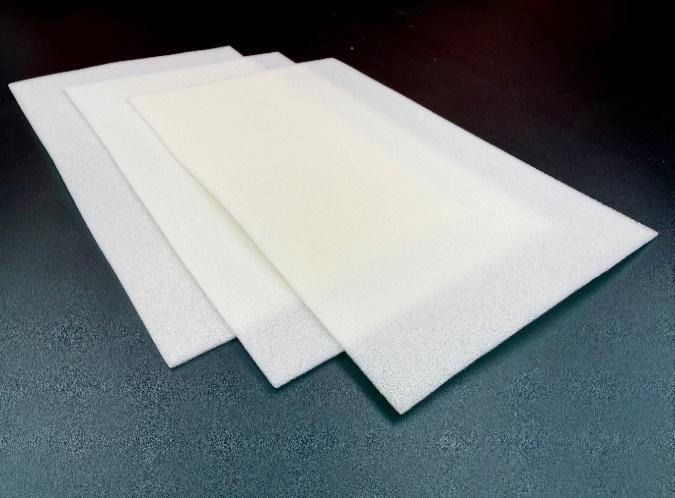
- It is a unique product designed to perfectly adapt to mold surfaces, ideal for molds with complex geometries, sharp contours, and hard-to-reach areas.
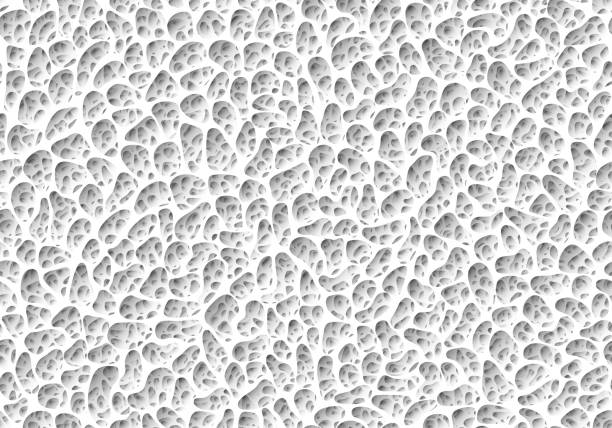
- It is made entirely of open-cell polyurethane foam and offers unprecedented cleaning efficiency, making it ideal for removing contamination and preventing cross-contamination. The open-cell structure allows the sponge to capture microscopic particles and remove them more efficiently than traditional woven or non-woven cloths, saving valuable time during cleaning.
- It is completely non-abrasive, allowing effective scrubbing and removal of stubborn residues without scratching critical surfaces. It ensures that even mirror-polished and textured mold surfaces remain intact, with no scratches whatsoever. This feature is essential and guarantees mold longevity and the quality of molded products.
- Tear resistance: one of its most significant advantages is its durability. It is designed to resist tearing even when scrubbing rough surfaces. This results in a longer service life, leading to long-term cost savings.
- Suitable for hot surfaces up to 60–65 °C, provided it is kept wet with a detergent/cleaner suitable for hot surfaces.
- It is washable and reusable.
- It is designed to be used dry or with water, detergents, 70% alcohol solutions, abrasive pastes, and polishes.
- It is produced in ISO 5 and ISO 7 cleanrooms, in compliance with cleaning and disinfection protocols for GMP cleanrooms in the pharmaceutical, biotechnology, medical device, and electronics industries.
Phase II: finishing
After the initial cleaning with the SAHARA sponge, the ultra-absorbent MIRA microfiber cloth comes into play, capable of capturing and removing loosened residues, leaving surfaces clean and shiny.
MIRA Microfiber: unprecedented final cleaning
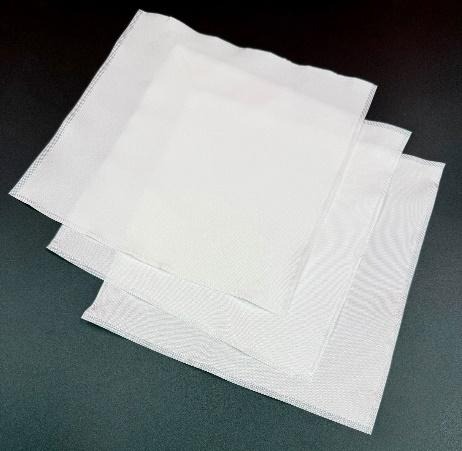
- It is a special absorbent microfiber wipe, highly resistant to abrasion, designed to clean the most delicate mold surfaces while the mold is still in the press.
- It is woven with large-surface microfibers specifically designed to trap and lift dirt, making it highly effective at deeply removing particles that become embedded and trapped in the mold surface.
- It is super absorbent, leaving a streak-free shine.
- It is absolutely non-abrasive, designed for use on delicate surfaces such as mirror-polished or photo-etched cavities without any risk of scratching.
- It is suitable for hot surfaces up to 80–85 °C, provided it is kept wet with a detergent/cleaner suitable for hot surfaces.
- It is designed to minimize fiber shedding, making it ideal for polished surfaces and cleanroom environments.
- It is washable and reusable.
- It is produced in ISO 5 and ISO 7 cleanrooms, in compliance with cleaning and disinfection protocols for GMP cleanrooms in the pharmaceutical, biotechnology, medical device, and electronics industries.
The cleaning of polished or textured molds in press is a fundamental aspect to ensure molding efficiency, high part quality, and mold longevity. The proposed product combination is an effective solution to simplify and improve the cleaning process. It is time to revolutionize in-press mold cleaning with a cutting-edge solution.